Best Time to Visit North Bengal & Sikkim: The Honest Month-by-Month Guide (2026)
Best Time to Visit North Bengal & Sikkim: The Honest Month-by-Month Guide (2026)
Every travel site says "October to March." That's technically true and practically useless. Here's what each month actually looks, feels, and costs like — so you can pick the one that matches your kind of holiday.
"When should I visit Darjeeling?"
We get asked this question more than any other at BroZ Stays. And every time, the answer is the same: it depends on what you want.
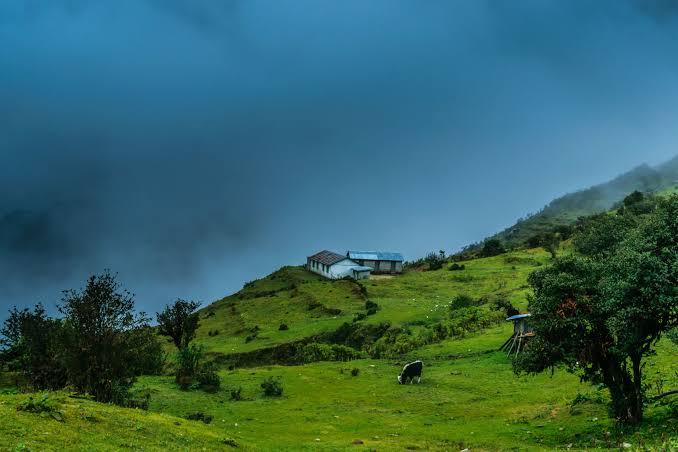
Do you want blue skies and Kanchenjunga views so sharp they look photoshopped? That's a different month than if you want empty trails and discounted stays. Want rhododendrons? That's spring. Want snow? That's January. Want to sit in a homestay while rain hammers the tin roof and the valley disappears into cloud? That's monsoon, and honestly, it's more romantic than it sounds.
The point is, there's no single "best time." There's only the best time for you. This guide will help you find it.
The Quick Answer (For People in a Hurry)
What You Want | Best Months | Why |
|---|---|---|
Clear Kanchenjunga views | October – November | Post-monsoon clarity, crisp air |
Pleasant weather + green hills | March – May | Spring warmth, rhododendron blooms |
Snow in the hills | January – February | Cold but stunning, fewer crowds |
Budget travel + empty trails | June – September | Monsoon discounts, lush greenery |
Festival season | October (Dussehra/Dashain) | Vibrant local celebrations |
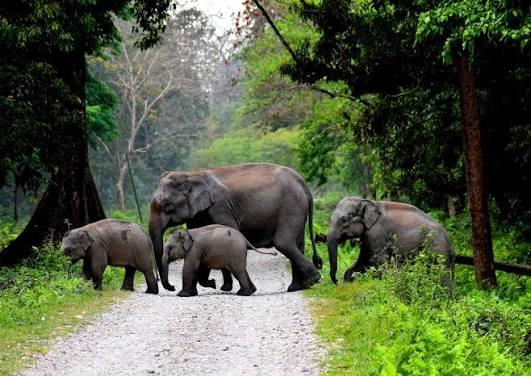
Wildlife & jungle safaris (Dooars) | November – April | Forests open, animals visible |
Now, let's break down every month.
January — Cold, Quiet, and Occasionally Magical
Temperature: 2°C to 10°C (Darjeeling/Gangtok) | Crowd level: Low
January is the coldest month in the hills, and that keeps most tourists away — which is exactly why some travellers love it. Darjeeling and Gangtok can dip below freezing at night, and higher destinations like Sandakphu, Zuluk, and North Sikkim get genuine snowfall.
The trade-off? On clear days, the Kanchenjunga range is breathtaking against the winter sky. The air is so crisp it almost crackles. And homestay rates drop significantly because it's off-season.
Best for: Budget travellers, snow seekers, people who own a good jacket. Skip if: You hate cold, or you're bringing small children who won't enjoy sub-5°C nights. What to pack: Heavy woolens, thermals, gloves, a warm cap. Layers are your best friend.
February — The Calm Before Spring
Temperature: 4°C to 13°C | Crowd level: Low to Moderate
February is the bridge month. It's still cold, but the worst of winter is passing. The skies start clearing after occasional January cloud cover, and the first hints of spring — tiny wildflowers on forest trails, birdsong getting louder — begin to appear.
This is also when Tashiding Monastery in West Sikkim holds the Bhumchu Festival, one of Sikkim's most sacred and least-touristy events. If you're interested in Sikkimese culture beyond monasteries and momos, February is when to come.
Best for: Culture seekers, birdwatchers (migration season), couples who like quiet. Skip if: You want warm weather. What to pack: Heavy woolens for the hills, medium layers for Dooars.
March — Spring Arrives, Rhododendrons Begin
Temperature: 8°C to 18°C | Crowd level: Moderate
March is when North Bengal and Sikkim shake off winter and start showing off. The hills turn green, orchids bloom in Kalimpong and Kurseong, and the rhododendron forests of Barsey, Singalila, and Neora Valley begin their annual spectacle.
Temperatures are pleasant — warm enough for comfortable trekking, cool enough to sleep under a blanket. The Kanchenjunga views are still clear in early March before the spring haze sets in.
This is arguably the most beautiful month for trekking in the region. The Sandakphu-Phalut trail, Goechala, and the Barsey trek are all at their finest.
Best for: Trekkers, nature lovers, photographers. Skip if: You don't like moderate crowds at popular spots. What to pack: Layers — mornings and evenings are cool, afternoons are warm.
April — Peak Bloom, Peak Beauty
Temperature: 12°C to 22°C | Crowd level: Moderate to High
April is rhododendron month. If you've ever seen photos of Himalayan hillsides blanketed in red and pink — that's April. Barsey Rhododendron Sanctuary in Sikkim and the Singalila Ridge in Darjeeling are at their absolute peak.
The weather is warm and sunny, making this one of the most comfortable months for travel. The downside? Everyone else knows this too. April sees higher tourist numbers, especially during school holidays, so book your homestays well in advance.
Dooars stays pleasant through April, and it's the last full month before forest closures for monsoon.
Best for: Families, rhododendron enthusiasts, first-time visitors. Skip if: You want solitude — April is popular. What to pack: Light layers, sunscreen, a rain jacket for occasional showers.
May — Warm Days, Pre-Monsoon Drama
Temperature: 14°C to 24°C | Crowd level: High
May is the warmest month before the monsoon, and the hills are lush and alive. The pre-monsoon skies produce dramatic cloud formations and occasional thunderstorms that make for spectacular photography.
This is also peak tourist season in Darjeeling and Gangtok because of summer holidays across India. Mall Road gets crowded, hotel prices spike, and shared jeeps run packed. The solution? Go offbeat. Villages like Tinchuley, Sittong, Lepchajagat, and Rinchenpong stay relatively peaceful even in May.
Sikkim's Saga Dawa festival (celebrating the Buddha's birth, enlightenment, and nirvana) falls in May or June, and the celebrations at Rumtek and Pemayangtse monasteries are extraordinary.
Best for: Festival travellers, people who like warm weather. Skip if: You want empty trails and low prices. What to pack: Light clothing, rain gear, mosquito repellent for lower altitudes.
June — Monsoon Knocks, Prices Drop
Temperature: 15°C to 22°C | Crowd level: Very Low
The monsoon typically arrives in the second week of June, and with it comes a dramatic shift. The hills turn an almost electric green, waterfalls appear where there were none, and the tourist numbers fall off a cliff.
Here's the thing about monsoon travel that nobody tells you: it doesn't rain all day. Most days follow a pattern — clear mornings, clouds building by noon, rain in the afternoon and evening. If you're the kind of traveller who doesn't mind getting a bit wet, June is stunningly beautiful and incredibly affordable.
Dooars forests close by mid-June. North Sikkim roads can be unreliable. But Darjeeling, Kalimpong, and South/West Sikkim are accessible and gorgeous.
Best for: Budget travellers, monsoon romantics, writers and artists. Skip if: You need guaranteed clear skies. Or reliable roads. What to pack: Waterproof everything. Good shoes with grip. A dry bag for electronics.
July & August — Deep Monsoon, Deep Green
Temperature: 15°C to 21°C | Crowd level: Very Low
These are the wettest months. Landslides can block roads, leeches appear on forest trails, and some remote destinations become genuinely inaccessible. This is the off-season for good reason.
But — and this is a big but — if you stay in accessible areas (Darjeeling town, Kalimpong, Gangtok, Kurseong), the monsoon has a beauty that nothing else matches. Cloud waterfalls pour into valleys. Every leaf is so green it looks painted. And the homestay prices are the lowest of the year.
The Darjeeling Carnival and other local festivals happen during monsoon, adding cultural colour to the grey skies.
Best for: Extreme budget travellers, people who find rain meditative. Skip if: You're on a tight schedule and can't afford weather delays. Not recommended for Dooars or North Sikkim. What to pack: Rain gear, waterproof bags, patience.
September — Monsoon Retreats, Magic Returns
Temperature: 14°C to 22°C | Crowd level: Low
September is the comeback month. The monsoon starts withdrawing in the second half, the skies begin clearing, and the landscape is at its most lush — freshly washed and glowing. It's like the hills got a spa treatment.
Late September is genuinely one of the best times to visit if you want beauty without crowds. The tourist season hasn't kicked in yet, prices are still low, and the first clear views of Kanchenjunga after months of monsoon cloud feel like a revelation.
Dooars forests begin reopening, and the wildlife is active after the rains.
Best for: Photographers, value seekers, anyone who likes having a viewpoint to themselves. What to pack: Layers for changing weather, rain gear for early September.
October — The Golden Month
Temperature: 10°C to 20°C | Crowd level: Moderate to High
If you held a gun to our heads and made us pick one month, it'd be October. The post-monsoon air is the cleanest and clearest of the year. Kanchenjunga views are sharp, detailed, and almost absurdly photogenic. The weather is perfect — warm days, cool nights, barely any rain.
October is also Dussehra/Dashain season, when the Gorkha and Nepali communities across North Bengal and Sikkim celebrate with family gatherings, feasts, and a warmth that visitors get pulled into.
The catch? Everyone wants October. Book at least 6–8 weeks in advance for popular homestays.
Best for: Everyone. Seriously. This is the universally great month. Skip if: You can't handle moderate crowds at popular spots. What to pack: Light layers, a warm jacket for evenings.
November — Crystal Clarity, Crisp Air
Temperature: 6°C to 16°C | Crowd level: Moderate
November is October with a chill. The views are equally spectacular, but the temperatures drop noticeably — especially after sunset. The hills start drying out, leaves begin to turn, and the landscape takes on the golden-brown tones of early winter.
This is also the start of orange season in Sittong, Kaluk, and other citrus-growing areas. Walking through orange orchards in November sunlight, with the Himalayas behind them, is one of those experiences that photographs can never fully capture.
Dooars is excellent in November — forests are open, elephants and rhinos are active, and the weather is cool but comfortable.
Best for: Wildlife enthusiasts, citrus lovers, photographers. What to pack: Warm layers, especially for evenings and early mornings.
December — Winter Arrives, Crowds Thin
Temperature: 2°C to 12°C | Crowd level: Moderate (peaks around Christmas/New Year)
December brings proper cold to the hills. Frost on the ground in the mornings, visible breath, and the kind of chill that makes a fireplace feel like the centre of the universe. The Kanchenjunga views remain excellent on clear days, and the dry air gives everything a sharp, crystalline quality.
Tourist numbers pick up around Christmas and New Year — Darjeeling town and Gangtok get festive and somewhat crowded — but offbeat destinations remain peaceful.
Best for: Holiday season travellers, people who like cold-weather cosiness. What to pack: Heavy woolens, thermals, warm socks. Don't underestimate the cold.
The Bottom Line — Our Honest Recommendations
First-time visitor? October or March. Best balance of weather, views, and accessibility.
Couple on a romantic trip? November or February. Quieter, cooler, more intimate.
Family with kids? April or October. Comfortable temperatures, plenty to see and do.
Budget traveller? June–September. Prices drop by 30–50%, and the landscape is unreal.
Trekker? March–April or October–November. The trails are at their best.
Wildlife enthusiast? November–March. Dooars forests are open and animals are visible.
No matter when you come, BroZ Stays has verified homestays waiting for you across North Bengal and Sikkim. Browse our seasonal recommendations at brozstays.com.
Published on BroZ Stays Blog | Last updated: August 2026