Dooars Travel Guide: Jungle Stays, River Camps & Wildlife Adventures in North Bengal (2026)
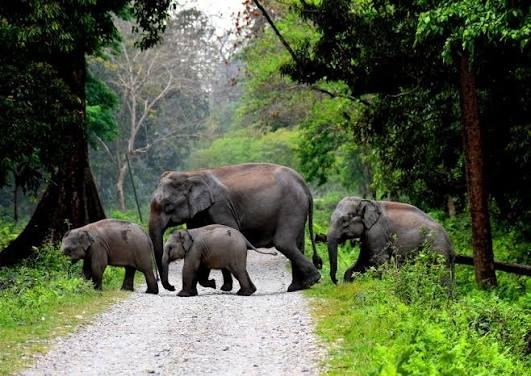
Where the mountains end and the jungle begins. Where elephants cross the road like they own it (they do). Where the Teesta runs wide and the tea gardens have no fences. Welcome to Dooars — North Bengal's wild, flat, untamed other half.
Everyone who visits North Bengal goes up. Up to Darjeeling. Up to Gangtok. Up to Kalimpong. Up to wherever the mountains are tallest and the Instagram angles are best.
Almost nobody goes flat.
That's a mistake, because the flat part — the Dooars — is where North Bengal keeps its wildest secrets. This is a landscape of dense sal forests, elephant corridors, one-horn rhino territory, tea gardens that stretch to the horizon, and rivers that run clear enough to drink from. It's not cute or charming or "quaint" — it's raw, green, and alive in a way that hill stations, for all their beauty, simply aren't.
A rhinoceros standing in morning mist, fifty feet from your jeep. Elephants bathing in a river while you eat breakfast on a riverbank. The sound of a jungle night — cicadas, barking deer, the distant rumble of something large moving through undergrowth. That's Dooars.
And at BroZ Stays, we think it's time more people experienced it.
What Even Is Dooars?
"Dooars" (sometimes spelled "Duars") literally means "doors" — it refers to the 18 passes through the Eastern Himalayas that connect the Brahmaputra plains to Bhutan. Geographically, it's the flat, forested belt at the foothills of the Himalayas, stretching across the Jalpaiguri and Alipurduar districts of West Bengal.
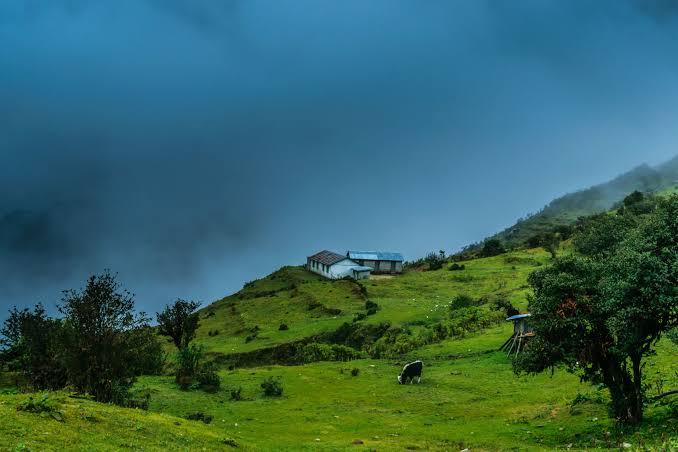
Think of it as the transition zone between the mountains and the plains. The elevation is low (300–1,500 feet), the climate is subtropical, and the landscape is a patchwork of national parks, wildlife sanctuaries, tea estates, rivers, and tribal villages.
The Dooars region includes several major protected areas: Gorumara National Park, Jaldapara National Park, Buxa Tiger Reserve, Chapramari Wildlife Sanctuary, and Mahananda Wildlife Sanctuary. Together, they form one of the richest biodiversity corridors in Eastern India.
Why Dooars Deserves More Than a Day Trip
Most tour packages treat Dooars as an add-on — "1 night Lataguri" tacked onto a Darjeeling itinerary. That gives you exactly enough time to do one jeep safari, eat one mediocre resort buffet, and leave without understanding what makes this place special.
Dooars rewards time. Here's what you get when you give it more than 24 hours:
Wildlife that actually shows up. Unlike some Indian national parks where you drive for four hours and see a deer's backside, Dooars' forests are dense with life. Indian one-horned rhinos in Gorumara and Jaldapara. Asian elephants — herds of them. Gaur (Indian bison), wild boar, barking deer, and if you're phenomenally lucky, a leopard or Bengal tiger in Buxa.
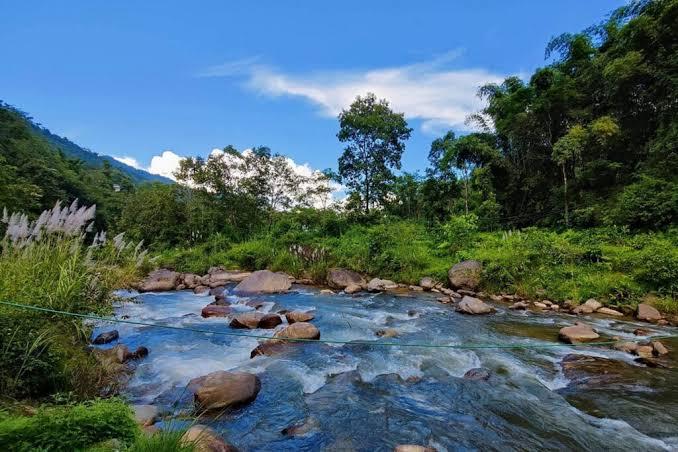
River experiences. The Teesta, Torsa, Jaldhaka, Murti, and Raidak rivers all flow through Dooars. Depending on the season, you can do everything from riverside camping to fishing to simply sitting on a rock with your feet in cold water while the forest hums around you.
Tea gardens without tourists. Darjeeling gets the fame, but Dooars grows an enormous amount of India's CTC tea. The difference is that Dooars tea gardens are flat, vast, and empty of tourists. You can walk through them for an hour without seeing another soul.
Tribal culture. The Dooars region is home to Rabha, Mech, Toto, and other tribal communities whose cultures, crafts, and food traditions are among the oldest in Bengal. Homestays in tribal villages offer a window into a way of life that's rapidly changing.
The Best Places to Visit in Dooars
1. Gorumara National Park — The Rhino Kingdom
Distance from NJP: 80 km | Entry point: Lataguri / Murti | Best time: November–April
Gorumara is the most accessible national park in Dooars and the easiest place in Eastern India to spot Indian one-horned rhinoceros. The park is compact (80 sq km) but dense with wildlife — elephants, gaur, deer, wild boar, and over 200 bird species.
The jeep safaris enter the park through Lataguri gate, and the watchtowers (Jatraprasad and Chapramari) offer elevated views of the grasslands where rhinos graze in the early morning.
Pro tip: Book the earliest morning safari slot. Animals are most active at dawn, and the mist over the grasslands makes for otherworldly photography.
2. Jaldapara National Park — Elephants and Grasslands
Distance from NJP: 130 km | Entry point: Madarihat / Hollong | Best time: October–May
Jaldapara is bigger, wilder, and less visited than Gorumara. The landscape here is dominated by tall elephant grass — some of it over 15 feet high — and the elephant population is one of the largest in West Bengal.
The Hollong Forest Lodge, located inside the park, is one of the few places in India where you can stay literally inside a national park. Elephant safaris (riding elephants into the grasslands at dawn) have been the traditional way to see Jaldapara, though jeep safaris are now also available.
The Torsa River runs along the park's edge, and the riverside areas are excellent for birdwatching — Bengal florican, swamp francolin, and Pallas's fish eagle have all been spotted here.
Pro tip: Stay at Hollong if you can — waking up inside the forest is an experience no resort outside the gates can match.
3. Buxa Tiger Reserve — History Meets Jungle
Distance from NJP: 150 km | Entry point: Rajabhatkhawa / Jayanti | Best time: November–April
Buxa is the wildest and most adventurous part of Dooars. It's a tiger reserve (though tiger sightings are rare — the forest is dense and the cats are shy) that shares its border with Bhutan. The real draw is the combination of jungle trekking, birdwatching, and history.
The trek to Buxa Fort — a British-era detention camp perched on a forested hilltop — is one of the best day treks in North Bengal. The fort itself is mostly ruins, but the views from the top stretch into Bhutan, and the forest on the way up is alive with birds.
Jayanti, the gateway village, sits on the banks of the Jayanti River and is a destination in itself. The river is clear, the forest comes right to the edge, and the homestays are run by local Rabha tribal families.
Pro tip: Carry your own water and snacks for the Buxa Fort trek. There are no shops on the trail.
4. Chapramari Wildlife Sanctuary — The Quiet One
Distance from NJP: 75 km | Near: Lataguri | Best time: November–March
Chapramari is a small sanctuary adjacent to Gorumara that most tourists overlook. That's a gift. The forest here is older, quieter, and less trafficked, and the chances of spotting elephants, gaur, and sambar deer are high.
There are no jeep safaris inside Chapramari — it's a walking-only experience. A forest guard accompanies you on a 2–3 hour walk through sal and teak forest, and the intimacy of being on foot in elephant country is both thrilling and humbling.
Pro tip: Combine Chapramari with Gorumara for a 3-night Dooars wildlife circuit.
5. Samsing & Suntaleykhola — Where Forest Meets Tea
Distance from NJP: 75 km | Best time: October–May
Samsing is the point where the Dooars plains start climbing into the Darjeeling foothills. The landscape here is a beautiful collision of tea gardens, bamboo forests, and mountain streams. Suntaleykhola (literally "orange river") is a forest settlement nearby with nature trails that wind through dense forest.
Rocky Island — a rocky stretch of the Murti River surrounded by forest — is one of the most photogenic picnic spots in North Bengal. The water is shallow enough to wade in during winter and deep enough to swim in during late autumn.
Pro tip: Samsing is an excellent base for exploring both Dooars (flat, jungle) and Dooars-hills transition (Samsing viewpoint, Todey-Tangta, Jhalong).
6. Jhalong & Bindu — The Bhutan Border Rivers
Distance from NJP: 90–100 km | Best time: October–April
Jhalong and Bindu sit along the Jaldhaka River at the Indo-Bhutan border, and the scenery here is stunning — steep gorges, turquoise water, suspension bridges, and dense forest climbing into the Bhutan hills.
Bindu is the last Indian village before Bhutan. The hydel project here creates a dramatic dam-and-gorge landscape, and the viewpoint above the village looks straight into Bhutanese territory.
Jhalong's riverside homestays are some of the best-value stays in all of Dooars — simple rooms, incredible views, home-cooked food, and the sound of the river as your personal sleep soundtrack.
Pro tip: The drive from Samsing to Jhalong to Bindu is one of the most scenic road trips in North Bengal. Do it in daylight.
7. Chilapata Forest — The Elephant Corridor
Distance from NJP: 150 km | Near: Jaldapara | Best time: November–March
Chilapata is a dense stretch of forest between Jaldapara and Buxa that serves as a critical elephant migration corridor. The forest is ancient, the trees are enormous, and the ruins of the Nalraja Garh — a Cooch Behar dynasty fort — sit hidden in the undergrowth.
The jeep safari through Chilapata takes about 2 hours and passes through some of the most atmospheric forest in Dooars. Elephant dung on the road is common. Actual elephants, less predictable but always possible.
Pro tip: Visit Chilapata on the way between Jaldapara and Buxa to create a connected wildlife circuit.
Dooars Homestays vs. Resorts — The Honest Truth
Dooars has both resorts and homestays, and the gap between them matters.
Resorts in Dooars tend to cluster around Lataguri (Gorumara) and Madarihat (Jaldapara). They offer air-conditioned rooms, buffet meals, and organized safari bookings. They're convenient but can feel generic — you could be in any tourist forest in India.
Homestays in Dooars put you in actual villages, run by actual families, surrounded by actual forest. The rooms are simpler. The bathrooms might not have hot water 24/7. But the food is extraordinary (Bengali and tribal home cooking), the hosts know the forest intimately, and you'll wake up to sounds that no resort's Bluetooth speaker can replicate.
At BroZ Stays, every Dooars homestay we list has been checked for cleanliness, safety, food quality, and — this matters — whether the host genuinely enjoys having guests. You can tell the difference.
When to Visit Dooars
Season | What to Expect |
|---|---|
November – February | Best wildlife viewing. Cool, dry weather. Peak season — book ahead. |
March – April | Warming up. Still good for safaris. Forests start getting drier. |
May | Hot and humid. Last month before forest closures. |
June – September | Monsoon. Forests closed (mid-June to mid-September). Rivers swell. Roads can flood. Not recommended. |
October | Forests reopen. Lush post-monsoon greenery. Excellent month. |
How to Get to Dooars
By air: Bagdogra Airport (IXB) is the nearest airport. From Bagdogra, Lataguri (Gorumara) is 2 hours, Madarihat (Jaldapara) is 3.5 hours, and Rajabhatkhawa (Buxa) is 4 hours.
By train: New Jalpaiguri (NJP) for western Dooars (Gorumara, Chapramari). Alipurduar Junction for eastern Dooars (Jaldapara, Buxa, Chilapata). New Coochbehar for northern Dooars.
By road: Well-connected via NH31 and NH31C. Roads within Dooars are generally good, though forest roads require a sturdy vehicle.
Sample Dooars Itineraries
Weekend Wildlife (2 Nights / 3 Days): NJP → Lataguri (Gorumara safari) → Chapramari walk → NJP
River & Forest Circuit (4 Nights / 5 Days): NJP → Samsing → Jhalong → Bindu → Lataguri (Gorumara) → NJP
Complete Dooars Explorer (6 Nights / 7 Days): NJP → Gorumara → Chapramari → Chilapata → Jaldapara → Buxa/Jayanti → NJP
Book Your Dooars Adventure With BroZ Stays
Dooars is North Bengal's best-kept secret, but it won't stay secret forever. The jungle homestays, the riverside camps, the tribal village stays — they're all on BroZ Stays, verified and ready.
Whether you want to track rhinos in Gorumara, camp by the Jaldhaka in Jhalong, or trek to Buxa Fort through elephant country, we'll help you find the right homestay and the right experience.
Explore our Dooars collection at brozstays.com.
Published on BroZ Stays Blog | Last updated: August 2026